This week had very little in the assignments, both of them being on Tuesday, They still were an interesting read for both. Ill Also talk about the couple of things mentioned on Thursday regarding the document with the fact checkers thoughts on it because I’m one of them.
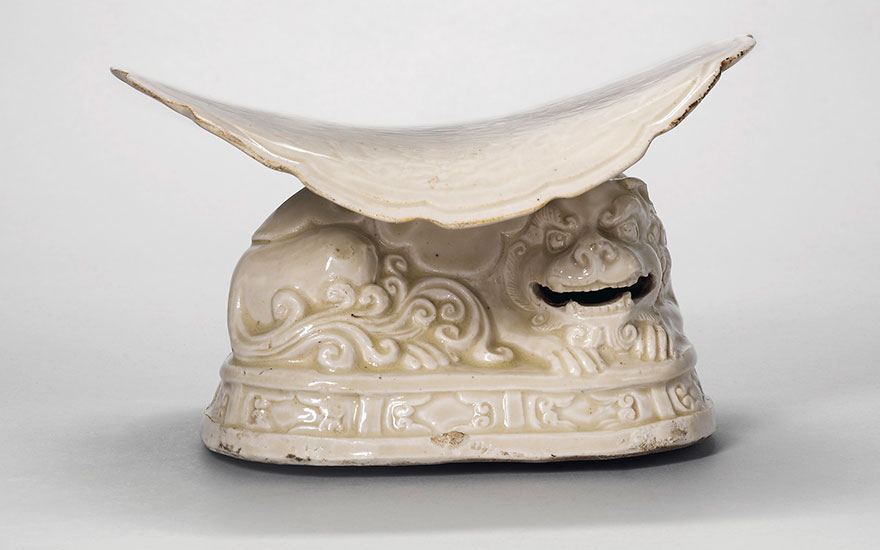
World in a Pillow/Textbook explanation- World in a pillow is a simple story about the young man named Le Sheng encountering a priest by the name of Lu Weng. Le Sheng poor and in rags says to the priest that life is about accomplishment while his own life is just existence, so the priest offers him a pillow that gives him his dreams. Le Sheng falls asleep on said pillow to dream about his life of becoming a general, betrayed by subordinates to be thrown in prison, with it concluding on his unpreventable death after temporary freedom under the title of Duke of Yanguo. After his awakening, he thanked the priest for his valuable lessons he was taught and leaves. The textbook goes into brief summary of the people known as “Zhiguai authors” who would write stories about the supernatural. Reasons mostly tracing back to the underlying curiosity of humans for such topics and the main reason told as that such abnormal events could foreshadow how the Dynasty could fall in the future, so recording and analysis of these events were taken. While in class, I learned that which was obvious to a readthrough but was not something I thought of once I read the Pillow story. Two stories of the Inside and outside world being considered as two different stories by the majority of the class however I never considered this view point and took it into my opinion of the story as a whole. I do not think the textbook portion was mentioned as much, at least not in my group but my main opinion was curiosity on if there were previous stories that were written that had political foreshadowing to make these stories written for government fact? I saw no mention of such an occurrence in the text sadly but I did like the insight on the perception of these stories.
Textbook Editing Discussion– In my group we discussed many different short comings of the book so I will cover our biggest pet peeves with the book. Many facts discussed in the book about historical events repeat to much for our liking so we hope to help in improving/diversifying the amount of facts covered in the text book(Ex: the Terracotta soldiers having 3 pages dedicated to major tweaks of opinion with only one new fact introduced is unnecessary.). Our group found the comparisons of Buddhist hell to Western hell to not be an accurate description of what it is and would like to provide more clarification on the individuality of it, plus the fact that India is not mentioned at all in the history of Buddhism in the text is just factually void of many, many parts of the religion. To cap of the fixes needed is a cohesiveness to the text because the art can differ way to wildly from another chapters like historical paintings to cheap fanart levels of quality and most importantly, the text shouldn’t have such an informal and opinionated review of the topics reviewed in the chapters.
To Conclude- There’s much to say about the student written textbook and how it effectively feels more like an acquaintance casually addressing the topics in the text instead of yknow an actual formal textbook to draw information reliably from. The story was a fun read too but yea the textbook is gonna need a major overall and we the fact checkers will make the info as accurate as possible while doing so.
